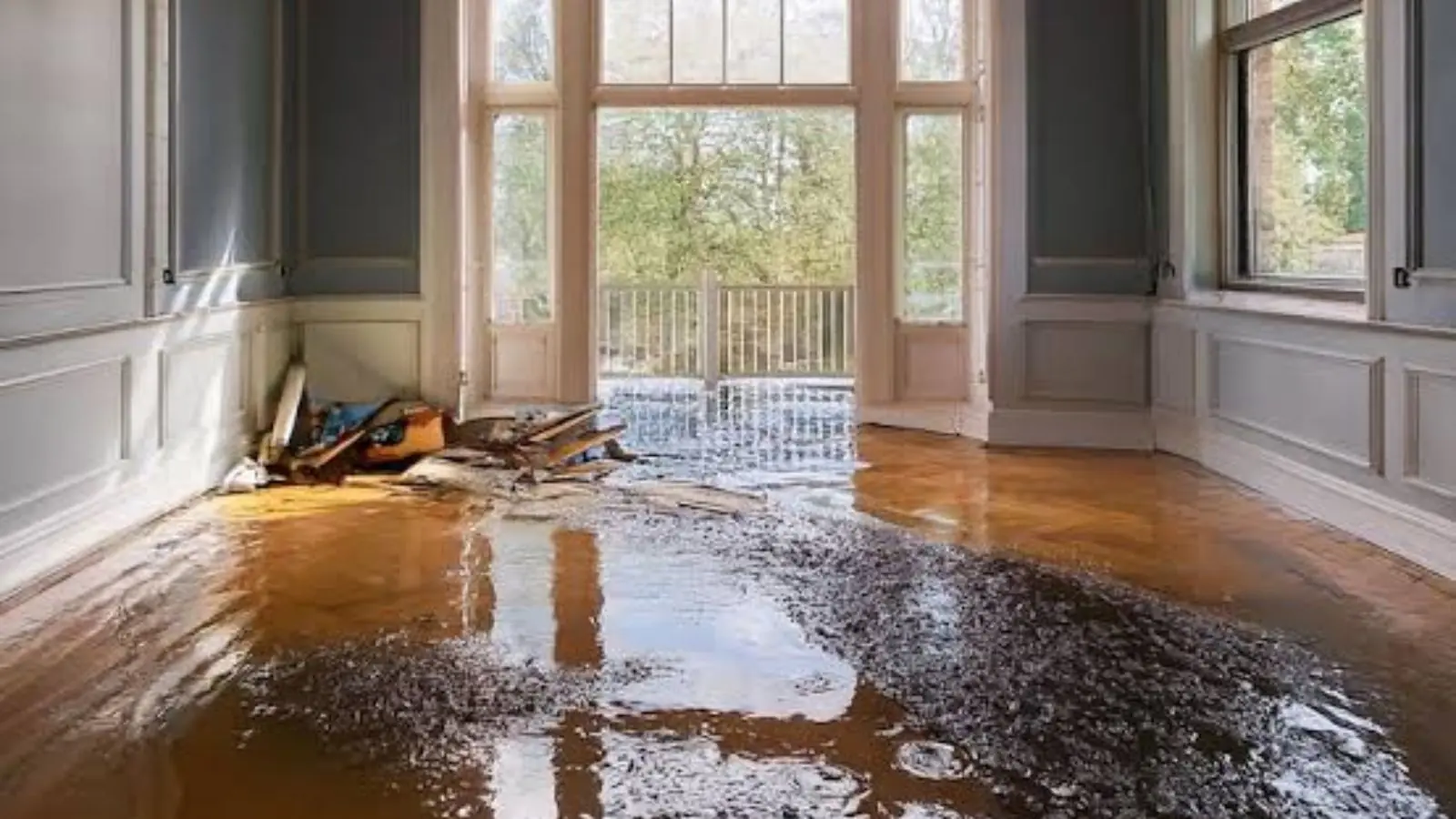
Flooding in a garage or ground-floor unit right now
Flood water is not the same as a broken pipe. It comes in from outside or from the sewer, and it can carry dirt, debris and contamination into a home. Emergency flood damage restoration in Marina Del Rey is available 24/7, including during storms when many people are calling at once.
While you wait, stay out of deep or dark water, keep children and pets away, and move to higher ground in the building if the level is rising. Lift what you can above the waterline. Do not use the vacuum or any appliance in a wet area, and leave the power off in those rooms unless the panel is dry and safe to reach.
Why flood water needs a different plan
Standard water damage is often a clean supply line. Flooding usually falls into the higher water categories, which means porous materials such as carpet, padding, insulation and low drywall are removed instead of dried, and surfaces are cleaned before drying starts.
Ballona Creek, a roughly nine-mile flood protection channel with a watershed of about 130 square miles, drains parts of Culver City, Santa Monica, Inglewood and Los Angeles toward the coast. Los Angeles recorded one of its wettest months on record during the 2024 atmospheric river storms. Check the FEMA flood map for your address so you know your flood exposure before the next storm.
Residents in nearby Culver City, where Ballona Creek runs through town, face the same question of whether a flooded ground floor is a creek issue or a drainage issue. The answer shapes both the cleanup and the insurance conversation.
Basement and Below-Grade Flooding Cleanup
True basements are uncommon around the harbor, so below-grade flooding here usually means a parking garage level, a ground-floor unit, a storage room or a utility space that sits below the surrounding grade. Those spaces collect water from storm drains, failed sump systems and groundwater pushing up through concrete.
Cleanup begins with pumping out the water, then lifting any flooring and removing wet drywall, insulation and stored cardboard that cannot be saved. Concrete is dried with dehumidifiers and air movers, and the area is cleaned before it is closed back up.
Building owners and associations usually control garage and storage access. Tell them early so equipment and crews can get in, and ask whether the loss belongs to the association's policy or yours. Waterproofing belongs to a different trade, so a flood restoration crew will not promise the water cannot come back.
Sewage Backup Cleanup
Sewage is a safety event
Stay out of the area and keep others out. If water is near outlets or a panel, or you smell gas, leave and call the utility or 911 first. Do not use fixtures that drain to the backed-up line. Call the restoration line after the immediate hazard is handled, and no arrival time is promised.
Sewage backups are Category 3 water. Floors, walls and any porous material the water touched are treated as contaminated. The crew contains the area, removes contaminated materials, extracts the water, and cleans and sanitizes the surfaces before drying begins.
If the backup comes from the building's main line, the association or a plumber has to clear the blockage first, because cleanup cannot hold if the line keeps overflowing. Photograph everything before removal, since the materials will not be kept.
Choosing the right response
| Water source | Category | What usually happens to materials |
|---|---|---|
| Rain pushed through a garage entrance | Category 2 or 3 | Carpet and padding removed, hard surfaces cleaned and dried |
| Groundwater seeping through a slab | Category 2 or 3 | Flooring lifted, concrete dried, walls checked for wicking |
| Overflowing storm drain at street level | Category 3 | Porous materials removed, area cleaned before drying |
| Sewer or toilet backup | Category 3 | Contaminated materials removed and surfaces sanitized |
If the water is shallow and the source is simple, such as a failed hose, emergency water removal is usually the closer match. After the area is clean, mold is the next concern when moisture lingers, which is covered on the mold remediation page.
What shapes flood cleanup scope and cost
- Water category, since storm water and sewage add removal and sanitizing work.
- Affected square footage, including garages, hallways and adjoining rooms.
- Materials involved, such as concrete, carpet, cabinetry or finished drywall.
- Drying days and equipment count after the cleaning is complete.
- Rebuild scope once the structure has been dried and cleared.
Flood damage is usually excluded from standard homeowner policies and typically needs separate flood coverage. A sudden pipe break or accidental overflow is treated differently. Check your policy, ask your insurer which category your loss falls into, and keep photographs and receipts together.
Scope and price are explained before work starts. Want your real number? Call and describe what the water touched.
Call (424) 550-5662Frequently Asked Questions
Yes. The dispatch line is answered 24/7, including overnight and during storms. Same-day response is available when crews are free, and demand can be high after heavy rain. Tell the dispatcher where the water came from and what it touched. No arrival time can be promised, but you will get an honest answer on the call.
The source and the category. A clean supply line is usually Category 1 and the materials can often be dried. Flood water and sewage fall into higher categories, which means contaminated materials are removed and surfaces are cleaned before drying.
Flood damage is usually excluded and needs a separate flood policy. Sudden and accidental water from a burst pipe is treated differently. Check your policy or ask your insurer which one applies to your loss.
Usually not when the water was contaminated. Drywall, insulation and carpet padding that touched flood or sewage water are generally removed. Hard surfaces can often be cleaned and dried.
Stay out, keep others out and avoid using fixtures on that line. If there is any gas smell, sparking or water at the electrical panel, leave and call the utility or 911 before the restoration line.
No. Restoration cleans and dries what the water damaged. Waterproofing is a separate trade that tries to keep water out, and you would hire a waterproofing contractor for that.
It depends on the building. Associations often own garage and common areas, while owners are responsible for the interior of the unit. Ask your association and your insurer before work starts.