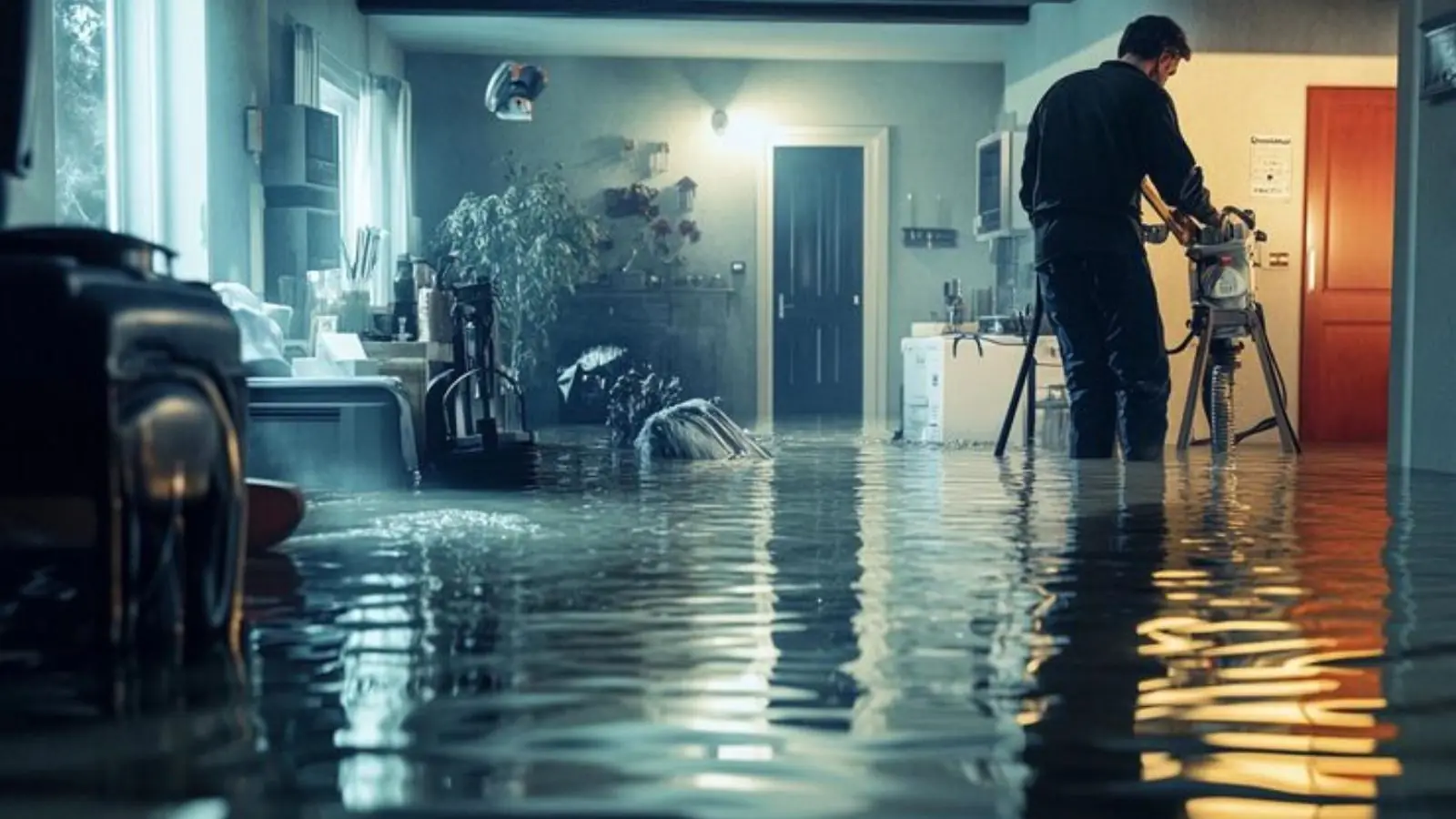
Emergency water mitigation: what to do while water is spreading
If water is moving through your home right now, treat it as an emergency and start with the source. Water mitigation is the first-response work that limits further damage: controlling the water, pulling out what is standing, and setting up drying before wet materials begin to break down. Emergency water mitigation in Marina Del Rey is dispatched 24/7, including nights and weekends.
While you wait, shut the water off at the fixture stop or the main valve. Switch off power to wet areas only if you can reach the panel without standing in water. Lift electronics, rugs and paperwork off the floor, and keep people and pets out of any water that may be contaminated. Then call and describe what you see.
Wet carpet, a musty smell or a spreading ceiling stain?
Most people do not search for mitigation. They notice carpet that squishes underfoot, a baseboard that has started to swell, a ceiling stain that grew overnight, or a damp smell in a closet that was dry last week. Each of those is a sign that water is still sitting inside building materials, and that is the problem mitigation is built to solve.
Mitigation is a different job from the rebuild. If your walls and floors are already dry and you are planning new drywall and paint, water damage repair is the stage you want. If pumps are still needed for standing water, emergency water removal covers that part of the work.
What the first visit involves
Confirm the source is stopped
A crew member checks that the supply line, drain or leak has been shut off or isolated before any equipment goes down.
Extract standing water
Pumps and extraction units remove pooled water and pull moisture out of carpet and padding that can still be saved.
Map the moisture
Moisture meters and a thermal imaging camera show which walls, floors and ceilings are wet, including areas that look dry from the surface.
Place drying equipment
Air movers and LGR dehumidifiers go where the readings call for them, and wet materials that cannot be dried are opened up or removed.
Monitor and document
Readings are repeated on return visits until the structure reaches its dry standard, and the notes and photos support an insurance claim.
Structural Drying
Structural drying is the controlled removal of moisture from framing, subfloor, drywall, insulation and concrete slabs. Air movers push dry air across wet surfaces, and LGR dehumidifiers pull the released moisture out of the room so it does not settle somewhere else. The space is kept closed and conditioned while the equipment runs.
Drying usually takes days rather than hours, and the moisture readings decide when it is finished, not the calendar. ANSI/IICRC S500 is the published standard for professional water damage restoration, and you are free to ask any company whether its crews work to it.
Around the Marina Del Rey basins, many buildings stack condos and apartments with shared floors and walls. Water from one unit often reaches the unit below, so the drying plan has to account for neighbors. Tell your association early so adjoining units can be checked before the moisture spreads further. Once the structure is dry, water damage cleanup handles the materials that could not be saved.
Water categories change the plan
Restoration crews sort water into three categories, and the category decides what can be dried and what must be thrown out.
| Category | Typical source | What it changes |
|---|---|---|
| Category 1 | Broken supply line, overflowing sink with clean water | Most materials can be dried in place if the response is quick |
| Category 2 | Washing machine discharge, dishwasher overflow | Porous materials such as carpet padding are often removed |
| Category 3 | Sewage, rising floodwater, long-standing water | Contaminated materials come out and the area is cleaned first |
Water near electricity
Do not walk through standing water that touches outlets, cords or a panel. Cut power only if the panel is dry and easy to reach. If you smell gas, see sparks or feel a shock, leave the unit and call the utility or 911 before you call the restoration line.
Local conditions that affect drying in Marina Del Rey
The county-run Marina del Rey Water System serves the harbor leaseholds, while other addresses in the area may be served by a different utility. Your water bill shows which one applies, and that tells you who to call if a main-side shutoff is needed to stop a leak.
Ballona Creek, a roughly nine-mile flood protection channel, runs near the southeast edge of the marina, and winter storms test the garages and ground-floor units closest to it. Check the FEMA flood map for your address before you assume a loss is a plumbing problem rather than a groundwater one.
The same drying approach applies just north in Venice, where many older bungalows sit close to sea level and small leaks can soak a crawl space quickly.
What shapes the cost of mitigation
No honest number can be quoted before someone sees the damage. These are the factors that move the scope:
- The water category, because contaminated water adds removal and cleaning work.
- The affected area, measured in rooms and floors, not just the visible stain.
- The materials involved, since hardwood, concrete and drywall dry differently.
- Drying days and equipment count, which depend on how deep the moisture went.
- The rebuild scope that follows once the structure is dry.
Sudden and accidental water damage, such as a burst supply line, is often covered by homeowner and condo policies. Gradual leaks and neglect often are not, and flood damage is usually excluded and needs separate flood coverage. Check your policy or ask your insurer before you decide.
Scope and price are explained before work starts. Want your real number? Call the line and describe the damage.
Call (424) 550-5662Frequently Asked Questions
Mitigation is the emergency stage. It stops the source, removes standing water and dries the structure. Restoration is the longer job of cleaning, repairing and rebuilding what the water damaged. On many jobs the same crew handles both, but mitigation has to start first.
Yes. The dispatch line is answered 24/7, including nights, weekends and holidays. Same-day response is available when crews are free. The dispatcher asks where the water started, which rooms are wet and whether it has been stopped, so the right equipment is sent. Arrival depends on crew availability, and you will get an honest answer on the call.
Plan on days. A small, quickly caught leak may dry faster than a soaked floor system. Crews take moisture readings on each visit and stop only when the materials reach their dry standard, so the readings set the schedule.
Often, when the water was clean and the response was prompt. Carpet padding, insulation and drywall that stayed wet or touched contaminated water are usually removed. A technician checks them with a moisture meter rather than guessing.
In most buildings, yes. Water travels between units, and associations often insure shared parts of the building while owners insure the interior. Ask your association what notice it requires and which parts its policy covers.
Equipment rental is not part of what this line dispatches. Placement matters as much as the machines, and the readings that guide it come from a crew visit.
No. Mitigation deals with water that has already entered. Waterproofing prevents future entry and belongs to a different trade, so you would want a waterproofing contractor for that.