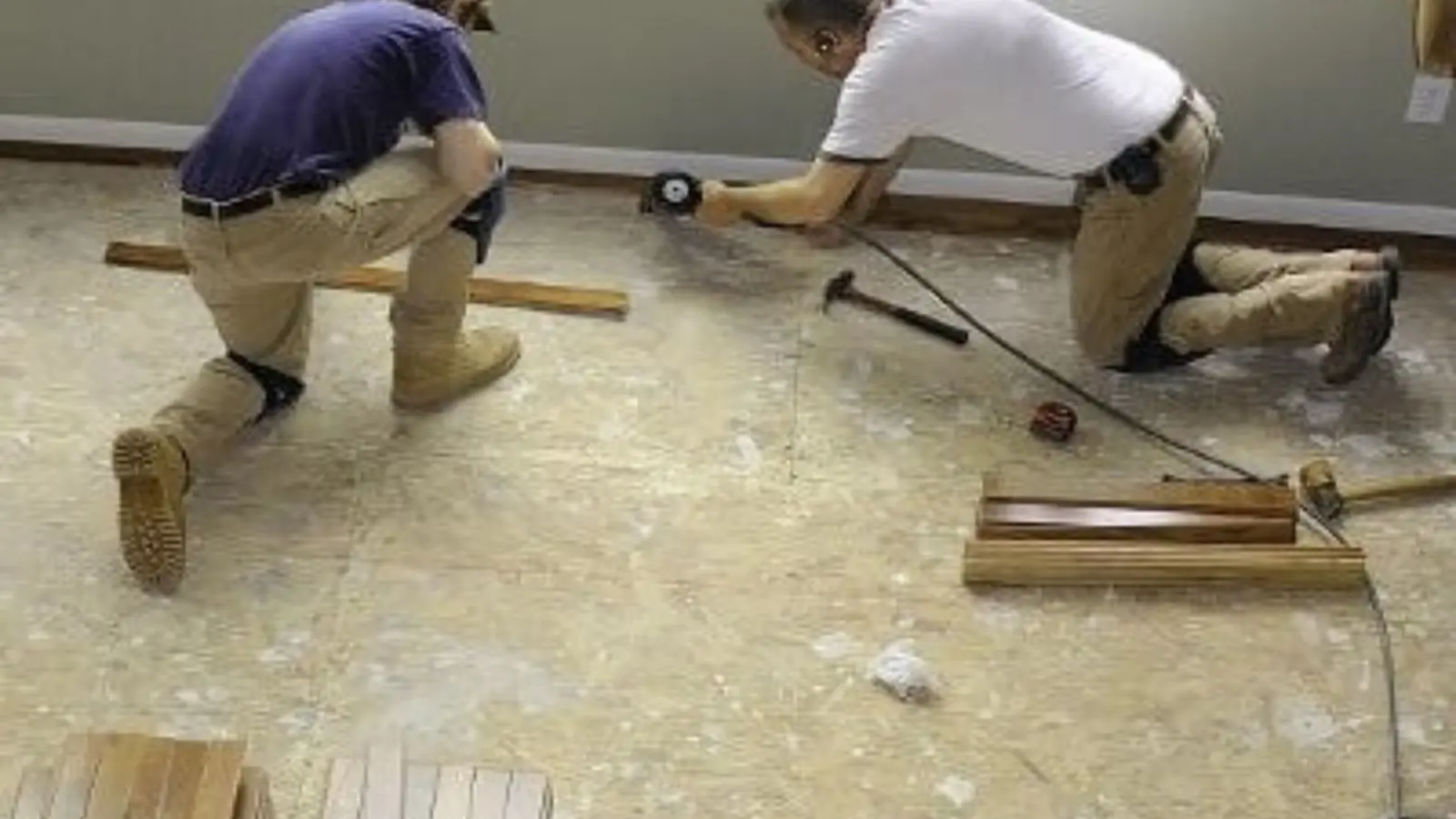
Water damage repair starts after the structure is dry
Water damage repair in Marina Del Rey is the rebuilding stage: replacing drywall, ceilings, insulation, trim, flooring and paint once the water has been stopped and the structure has dried. The goal is to return the room to the way it looked and worked before the leak.
Repair begins when moisture readings confirm that framing, subfloor and wall cavities are dry. Closing a wall over damp insulation is how a repair turns into a mold problem months later. If the readings are not there yet, the water mitigation page explains the drying stage that has to come first.
If the damage is fresh and wet materials are still sitting in the room, start with water damage cleanup so ruined items are removed before rebuilding is planned.
Ceiling and Wall Water Damage Repair
Ceiling and wall damage is the most common repair after a leak from an upstairs unit, a roof leak, a bathroom supply line or an air conditioning condensate drain. A brown stain, a bubble in the paint or a sagging section of drywall all point to water that has already soaked the board.
Small stains on dry, sound drywall can sometimes be sealed and repainted. Bulging, soft or crumbling board is cut out back to solid material, and the insulation behind it is checked. New drywall is hung, taped, textured to match, primed and painted, and the repaired area is usually painted to a natural break so the patch does not show.
A collapsed ceiling is different. Water that pooled above the board added weight until it gave way, so the area above has to be checked for the leak that caused it and for wet insulation before anything new goes up.
Hardwood floor cupping and drying
Wood absorbs moisture through its underside, and boards swell unevenly. Cupping means the edges rise higher than the centers, and crowning is the reverse. Cupped boards often flatten as they dry, which is why sanding too early can leave a floor that dips once the moisture is gone.
Drying a wood floor uses air movers and dehumidifiers to pull moisture out slowly, with readings taken over days. If boards stay raised after drying, they can often be sanded and refinished. Boards that have split, buckled off the subfloor or darkened with long exposure are usually replaced.
Repair or replace: a quick guide
| Material | Often repaired | Often replaced |
|---|---|---|
| Drywall ceiling | Small dry stains that can be primed and painted | Sagging, soft or bubbled sections |
| Painted walls | Surface staining with sound board behind it | Swollen drywall or wet insulation inside |
| Hardwood floor | Mild cupping that flattens as it dries | Buckled, split or darkened boards |
| Baseboard and trim | Wood that dried straight | Swollen or delaminated pieces |
| Cabinet toe-kicks | Solid wood that stayed intact | Particleboard that swelled |
Permits, associations and the order of trades
Small repairs often need no permit, but larger rebuilds can. For an address in unincorporated Marina Del Rey, County Public Works Building and Safety provides building services, while parcels inside the City of Los Angeles go through the city building department. Confirm which jurisdiction your parcel is in, then ask that office what applies before work starts.
Condo owners often need association approval before demolition, noisy work or contractor access. Ask for the rules in writing. A good order is drywall, then texture, then paint, then flooring, with cabinets and trim set last so wet work does not damage new finishes.
In older low-lying bungalows near the canals in Venice, the same sequence applies, and crawl-space moisture is checked before flooring goes back down.
What shapes the cost of repair
- The water category, because contaminated water changes what must be replaced.
- The affected area, counted in rooms and ceiling or wall sections.
- The materials involved, such as drywall, hardwood, tile, cabinets or insulation.
- Drying days that came before, and whether the structure reached a dry standard.
- The finish level of the rebuild, including texture, paint matching and flooring.
Insurance may cover repairs from a sudden and accidental water event, while gradual leaks and neglect often fall outside coverage. Flood damage usually needs separate flood coverage. Check your policy or ask your insurer, and keep photos of the damage from before the repair.
What to do before the repair crew starts
- Confirm the source is fixed and the structure has been dried and measured. Rebuilding over wet materials traps moisture.
- Photograph the damage and keep receipts for materials and emergency work, since your insurer or association may ask for them.
- Ask your building department or association whether permits or approvals are needed before walls are closed.
- Move furniture and valuables out of the work area and keep children and pets away from dust and tools.
Scope and price are explained before work starts. Want your real number? Call and describe the damage.
Call (424) 550-5662Frequently Asked Questions
Repairs can start once moisture readings show the structure is dry. That is typically days after the water is stopped and drying equipment is running, but the readings decide, not the calendar.
Only if the drywall behind the stain is dry and sound. A stain that comes back through new paint often means the leak is still active or the board is still holding moisture.
No. Restoration repairs damage that already happened. Waterproofing is a separate trade that works on keeping water from entering, and it requires a different contractor.
Not always. Mild cupping often flattens as the boards dry, and the floor can then be sanded and refinished. Boards that are split, buckled or darkened are usually replaced.
It depends on the scope and the jurisdiction. Ask the building department that covers your parcel, because Marina Del Rey addresses may fall under the county or the City of Los Angeles.
Keep people out of the room, shut off the water if the source is known, and call. The leak above the ceiling has to be found and the area dried before a new ceiling is installed.
No. If mold is present, it is handled under S520 practice before the area is closed. The mold remediation page covers that process.