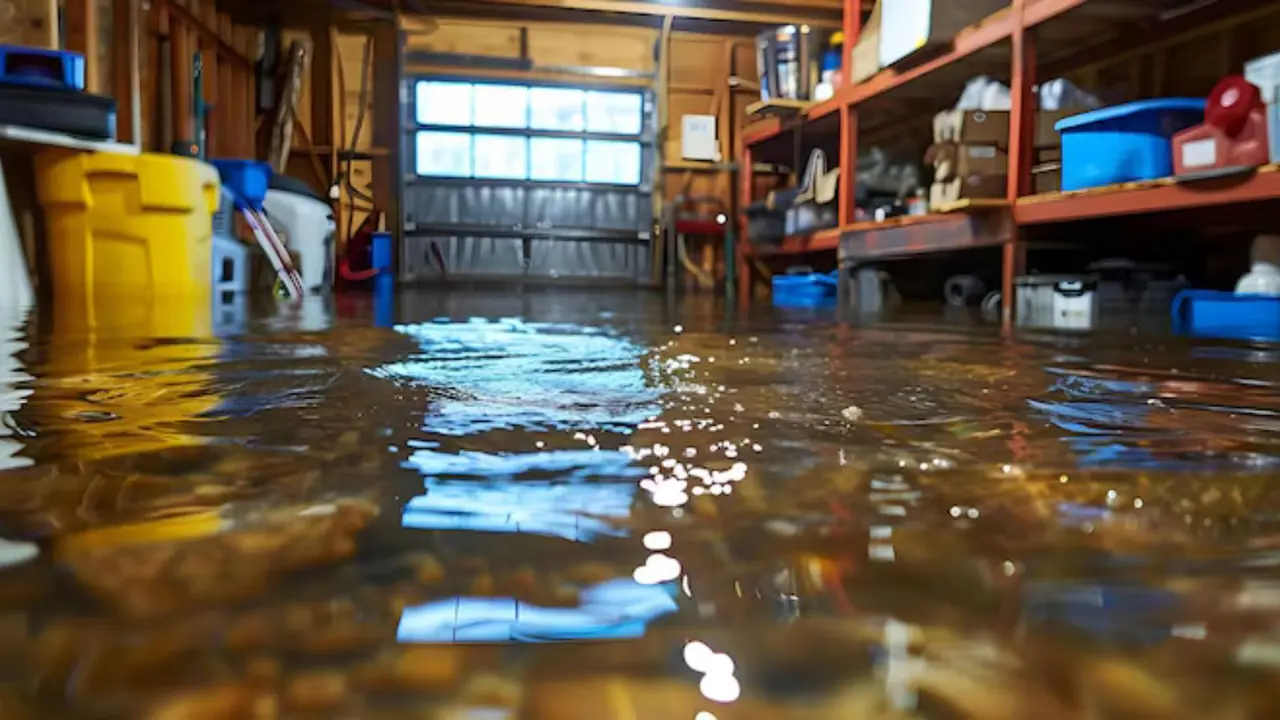
Basements are rare here, but the problem is not
Marina Del Rey sits at the edge of the Pacific beside a harbor, and true basements are uncommon. People searching for basement water cleanup are usually dealing with something close to it: a ground-floor unit, an underground parking level, a storage room below grade or a garage that took on water.
The cleanup steps are similar to a basement job. Make the space safe, remove the water, sort out what was contaminated, then dry the structure. The order matters, and the first call is about safety before it is about equipment.
Safety before anything else
Electricity
Do not walk into standing water if outlets, power strips or panels might be wet. Cut power only if you can reach the panel from a dry spot, and call the utility or 911 for any electrical or gas concern first.
Contamination
Water from a storm drain, sewer line or street is not clean. Keep people and pets out, and wear gloves and boots if you must enter.
Fumes
Do not run gas-powered pumps or generators in an enclosed garage, because exhaust gases collect in low spaces.
Structure
Water can undermine floors and wall bases. Stay out of rooms where the floor feels soft or walls are bowing.
Where the water came from decides the cleanup
| Water source | Category | What happens to porous materials |
|---|---|---|
| Supply line or water heater leak | Clean at first, can degrade within a day or two | Often dried in place if caught quickly |
| Storm runoff entering a garage or ground floor | Contaminated | Carpet, padding and drywall bases are usually removed |
| Sewer or drain backup | Highly contaminated | Porous materials are removed and the area is sanitized |
Industry practice groups water into three categories based on how clean it was at the source. The published ANSI/IICRC S500 standard describes them, and you can ask any company whether its crews follow it. Water from a storm or drain counts as contaminated, which changes the plan from drying to removal.
How pumping and drying actually run
Pump or extract
Submersible pumps and truck-mounted or portable extraction units pull standing water out of the space.
Remove what cannot be saved
Wet carpet, padding, drywall and stored cardboard come out so they do not hold water against the structure.
Clean and treat surfaces
Concrete, framing and hard surfaces are cleaned and treated according to the water category.
Dry the structure
Air movers and dehumidifiers run until moisture readings reach a dry baseline for that building.
Document the loss
Photos, readings and a written scope support an insurance claim if you choose to file one.
Standing water in a garage level is handled through emergency water removal, while larger events involving storm or groundwater fall under flood damage restoration. If you are not sure which applies, describe the situation on the call and a coordinator will route it.
Marina Del Rey notes: the Ballona Creek watershed
According to Los Angeles County Public Works, Ballona Creek is a roughly nine-mile flood protection channel draining a watershed of about 130 square miles. That watershed includes parts of Beverly Hills, Culver City, Inglewood, Los Angeles, Santa Monica, West Hollywood and unincorporated county land, and its tributaries include several channels and many storm drains. Heavy rain across that whole area ends up moving through one system, so a storm that looks moderate over your building can still strain nearby drains.
Playa Vista sits with Ballona Creek along its north boundary, and its ground-floor garages and parking levels are one place to watch after storms. If you live in Playa Vista or Culver City, check the FEMA flood map for your address and ask your building manager how drains and sump pumps are maintained before the next wet season.
Preparing a ground-floor unit or garage before storms
- Clear drains, grates and gutters before the first heavy rain.
- Keep valuables and important papers on shelves and in sealed plastic bins, off the floor.
- Learn where your main water shut-off and electrical panel are.
- Ask your association whether a sump pump or backflow device serves your level and who tests it.
- Save the 24/7 number where you can reach it fast.
Stored belongings and what to keep
Photograph everything before moving it. Items from a flooded storage room fall into three groups: hard goods that can be cleaned, porous items that probably cannot be saved, and papers or photos that deserve special handling.
| Item | Contaminated water | Clean water |
|---|---|---|
| Plastic and metal tools | Clean and disinfect | Dry and wipe down |
| Cardboard boxes and paper | Usually discarded after photos | Move out and dry quickly |
| Upholstered furniture | Often discarded | Sometimes dried and cleaned |
| Electronics | Do not power on, have them checked | Do not power on until dry |
What affects cost and schedule
Cost and time depend on the size of the area, the depth and category of the water, the amount of material that must be removed, how long drying takes and whether rebuilding follows. Nobody can fairly quote a figure before seeing the space. A crew should explain scope and price before work starts.
Insurance is another variable. Flood damage is usually excluded from a standard policy, while a sudden pipe failure may be covered. Check your policy or ask your insurer. Keep photos, readings and receipts together so your records are complete whichever way the claim goes.
Lingering moisture after the water is gone
Concrete and wall bases can hold moisture long after the surface looks dry. Without drying, damp materials can support mold growth. Crews check readings before closing walls or relaying flooring, and they repeat them until the structure matches a dry baseline.
If your building has shared parking or storage, tell the manager at once. Water that moves between levels affects neighbors, and early notice gets pumps, drain checks and shared records moving while the event is still small.
Ask the crew to note the high-water line on walls and posts before cleanup begins. That mark shows how deep the water reached and helps decide how far materials must be removed.
Water standing in your unit or garage? Call the 24/7 line before you walk into it.
Call (424) 550-5662Frequently Asked Questions
True basements are uncommon here. Water problems usually show up in ground-floor units, underground parking levels, storage rooms below grade and garages.
As fast as safely possible. Water spreads into drywall bases and flooring quickly, and the longer it sits, the more material has to be removed instead of dried.
Only if the area is free of electrical hazards and the water is not contaminated. Large volumes or storm water call for professional pumps and extraction equipment.
Flood damage is usually excluded from a standard policy and needs separate flood coverage. Check your policy or ask your insurer, because coverage for sudden pipe breaks can differ from flood coverage.
Use the FEMA Flood Map Service Center and enter your street address. If your building has an association, also ask the manager about drainage and past water events on your level.